

Flexibility has grown to be more commonplace in the workplace in recent years; however, managing flexibility remains a challenge, as evidenced by the 2013 decisions by Yahoo and Best Buy to overhaul their flexibility programs.
Court: Random Alcohol Tests Not in Violation of ADA

The U.S. District Court for the Western District of Pennsylvania, in the Equal Employment Opportunity Commission’s (EEOC) case against U.S. Steel Corp., ruled that random tests for alcohol can be performed on probationary employees who work in safety sensitive positions, and that doing so does not violate the Americans with Disabilities Act (ADA).
Top 5 Trends in Training & Developing Talent
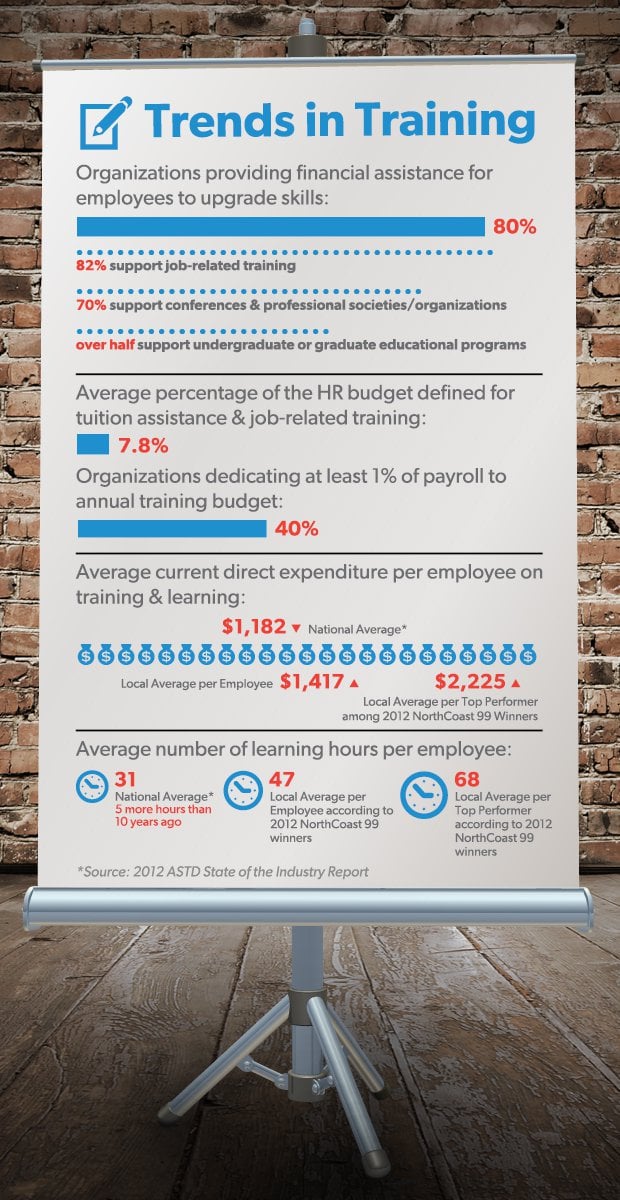
Training and development is a critical aspect of an organization’s talent management strategy. Every organization needs to invest in it to attract and retain talent and grow their employees’ knowledge base and capabilities. Here are five current trends influencing training and development.
Free Printable Daylight Savings Time Change Poster – Spring 2013
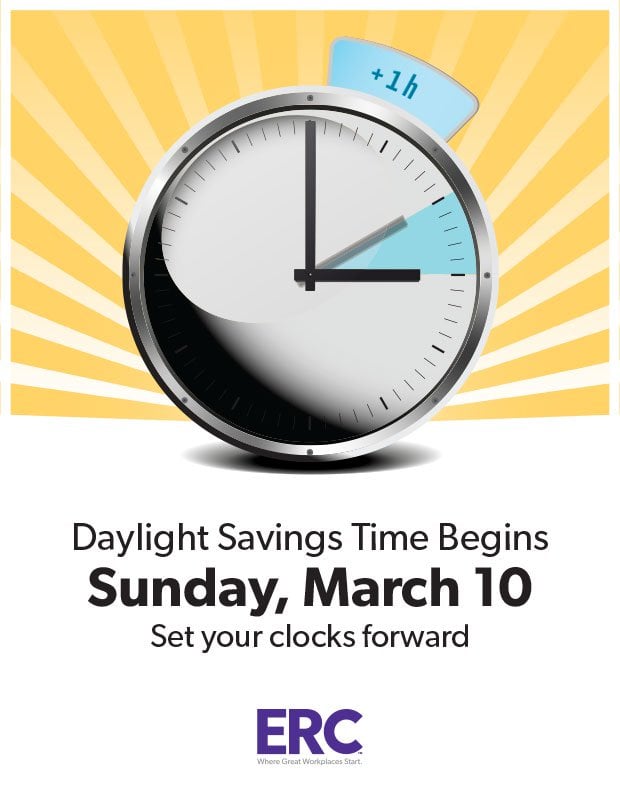
Download this handy printable Daylight Savings Time Change Poster to alert your staff of the impending time change on Sunday March 10, 2013.
3 Pay Problems Most Companies Face And How to Solve Them

Pricing new and highly specialized jobs, salary discrepancies between sources, and making pay adjustments based on mixed rates of salary growth are three common compensation problems many companies are facing. Here’s how to resolve them.
Executive Pay: The Power of Indirect Incentives

In a PricewaterhouseCoopers study of 1,106 individual executives across 43 countries, researchers found ample evidence to suggest that the effectiveness of executive pay hinges not only on a total dollar amount, but also on several key intangibles. Despite much focus on variable pay as a key element of executive total rewards packages, the PwC study reports that as a performance driver, variable pay is only a part of the story.
4 Reasons Your Supervisors Aren’t Effective: Training a New Supervisor

There are many reasons why supervisors can be ineffective, including those that are directly under the control of your organization. Here are 4 of those reasons.
4 Ways to Handle Attendance & Pay During Bad Weather

The snow is finally here (sorry, but it was inevitable) and with it comes issues of absenteeism, tardiness, pay, and FLSA compliance.
3-Step HR Guide for Year-End

The end of the year is a great time to review existing documents, systems and HR administrative practices. Here is a 3 step HR guide for year-end.
10-Step Company Holiday Party Planning Checklist

Most companies have a holiday party for their employees each year. In our 2012 ERC Holiday Practices Survey, nearly three-quarters (73%) of 186 Northeast Ohio organizations surveyed are planning a holiday party for 2012 and the majority (66%) are budgeting the same or more than in 2011.
3 Guidelines When Terminating an Employee

Unfortunately, some employees don’t work out – their behavior or poor performance escalates and they eventually need to be terminated. Many organizations have questions about properly carrying out terminations, including what to do to address the problem, when it’s appropriate to terminate an employee, and how they facilitate the termination itself. Here are 3 guidelines when terminating an employee.
Communicating in Times of Crisis: HR’s Role

On behalf of everyone at ERC, our thoughts are with all those affected both nationally and locally by 2012’s Hurricane Sandy.
