
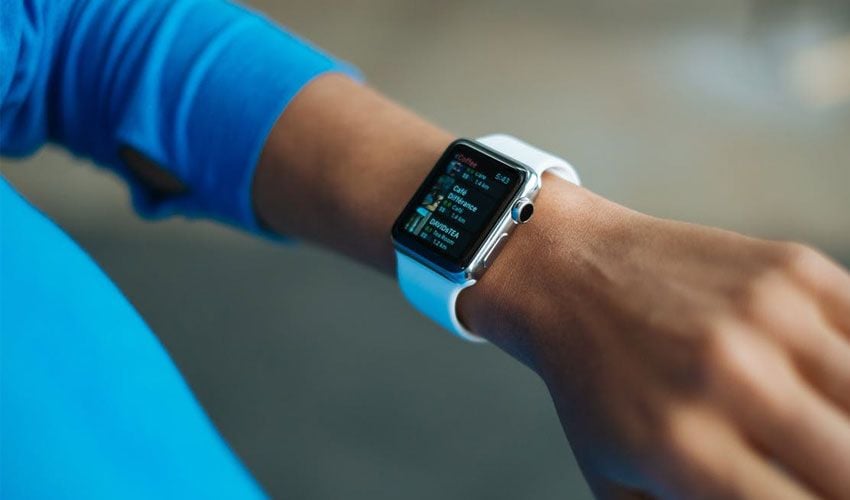
For many years, employers have implemented wellness programs for their employees to encourage and promote a healthy lifestyle inside and outside of work. These wellness programs are proven to provide positive opportunities to their employees to help improve their fitness, nutrition, and get a kick start to making more health-conscious decisions.
What are companies doing?
According to the National Business Group of Health, 8% of companies with wellness programs experienced an increase in employee productivity. And the Principal Financial Well-Being Index reports that 45% of employees that are a part of a work wellness program would encourage them to stay at their current employer, which is up from 40% from 2013.
Companies will offer various incentives for their wellness program, including:
- Discounted health insurance
- Access to health coaches
- Access to routine health evaluations
- Discounted or free gym memberships
- Low co-pays
All of these incentives are a great way to make your wellness program a success. However, a popular movement is coming in the form of wearables. Companies are starting to incorporate this new technology into their wellness program, such as the Fitbit or Jawbone.
Why wearables?
So how do these wearable fitness trackers work and what benefits do they have for your employees?
These wearable fitness trackers are most commonly used to track your location and speed at which you are walking/running. The trackers can be paired with your Smartphone to monitor your progress. Depending on which wearable tracker you purchase, some can monitor your heart rate, body temperature and even your breathing and sleep patterns.
Wearable fitness trackers can be a great addition to your wellness program. These trackers can give your employees the opportunity to interact with one another, compare and compete with each other, and motivate one another.
Also, with its compatibility to various Smartphones or computers, it’s an easy way for you to track the wellness program’s progress by viewing stats and analytics.
Most employers will set up the program so that if the employee reaches a certain goal, they will get an incentive, anything from discounted insurance rate to cash-prizes.
Wearable fitness trackers are an easy tool to implement for employees that will create new opportunities to help engage and inspire your company to lead a more healthy life.
Here’s what each can do for you
Fitbit Monitors:
- Activity level
- Sleep quality
- Distance traveled
- And syncs with iPhone, iPad 3, iPad mini, and Samsung Galaxy
- It also has Bluetooth
Fuelband Monitors:
- Calories burned
- Steps taken
- Sleep quality
- Calorie intake
- And is only compatible with iPhone
Jawbone Monitors:
- Walking
- Paces
- Distance you traveled in a day
- Calories burned
- Behavior after sleep
- And you can program stats for workouts, such as a gym session or a yoga session
- Also vibrates to remind you to get up and move
Get more articles like this one delivered to your inbox.
Join the thousands who receive ERC’s weekly newsletter to stay current on topics including HR news, training your employees, building a great workplace, and more.